Baltimore residents are facing soul-crushing utility bills, forcing many families to make difficult financial decisions. In response, the Baltimore City Council held a hearing to examine what is driving the spike in energy costs and whether stronger protections for ratepayers are needed.
Baltimore Gas and Electric chose not to attend.
Instead of appearing before elected officials and customers to explain the surge in bills, the monopoly utility dismissed the hearing as “political theater.” For the families struggling to pay their energy bills, there is nothing theatrical about the situation.
BGE operates as a regulated monopoly. Customers in its service territory have no alternative provider for electricity delivery. With that privilege comes an obligation to provide transparency and accountability to the public.
Refusing to appear before city leaders raises serious questions about whether the company is willing to answer for rising costs.
The underlying issue is well known. Investor-owned utilities are allowed to earn guaranteed returns on infrastructure investments. The more utilities spend on capital projects, the more profit they are permitted to collect from ratepayers.
This structure creates a powerful incentive for utilities to increase spending, even when those projects drive higher bills for consumers.
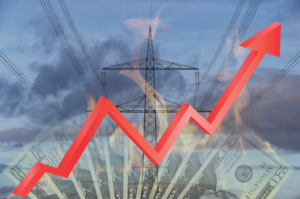
The impact on Maryland households has been significant. Since 2020, BGE has increased the cost of delivering electricity by roughly 30 percent and natural gas by about 50 percent.
Across the country, nearly one in four Americans report struggling to pay their utility bills in recent years.
Given these realities, the least Maryland residents should expect is a willingness from their monopoly utility to answer questions about rising costs.
Accountability begins with showing up.