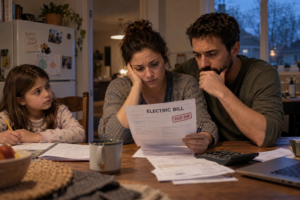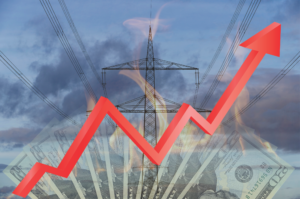
We’re facing a power shortage, and almost everyone agrees we need more power. The real question is how to get it built without leaving families struggling to pay their bills. One way to help is long-term procurement: signing competitive contracts that lock in power for years at a time, often from new projects. That gives developers the certainty needed to finance new generation while giving customers greater protection from volatile short-term prices. When power is tight and bought in short-term markets, prices spike, and customers take the hit. Long-term contracts can help bring new supply online and provide more stable prices over time.
States are already moving in this direction. In August, Illinois took bids for more than 1,000 megawatts of new battery storage, including 588 megawatts in ComEd’s area. In July, New Jersey’s governor signed the Power NJ Act, which sets up a competitive process for new nuclear power. Maryland passed a law telling regulators to take bids for new generation rather than simply handing monopoly utilities the right to build it and charge customers for the investment.
Here’s the part that should bother customers: utilities saw this coming. Exelon warned investors in its 2024 annual report that a generation shortage could mean “greater price volatility” and outages for its customers. In other words, the company understood exactly what tightening power supplies could eventually mean for the people paying electric bills.
Long-term procurement was available years before this moment. But utilities like Exelon weren’t leading the charge for competitive procurements that could help bring new generation online and protect customers from price volatility. Now that prices are rising, their answer is to let utilities build and own generation themselves, earn guaranteed returns on those investments, and put the costs and risks onto captive ratepayers.
Meanwhile, customers keep absorbing higher prices on the delivery side too. Exelon’s Maryland utility, BGE, is asking for $156 million more in delivery rates, and its Illinois utility, ComEd, hit customers with a $243 million delivery rate increase last year.
Utilities saw the power shortage coming. Now customers are squeezed from both sides, with higher power prices and higher delivery charges. The answer shouldn’t be giving monopoly utilities another guaranteed source of earnings at ratepayers’ expense. States should use competitive, long-term procurement to bring new generation online, protect customers from volatile prices, and make developers compete for the right to serve them.