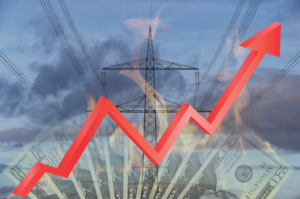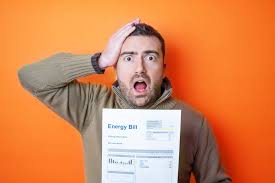
Across Maryland, residents are seeing bills double or triple, even without major changes in usage. Melinda Robertson did everything she was told to do. She lowered her thermostat, sealed drafts, and cut back on energy use wherever possible.
It didn’t matter. Her electric bill still surged to more than $700, forcing her to consider cutting back on groceries just to keep up. Her elderly aunt faced an even higher bill. She sat in the cold, afraid to touch the thermostat, and still faces a bill approaching $1,000.
The system is broken. Monopoly utilities earn returns based on how much they spend, with those costs passed on to customers. These utilities are pushing for record investments in infrastructure – not power generation but grid improvements that mean even higher utility bills for Melinda, her aunt, and all families already under strain.
This isn’t just about weather or global markets. It’s about a system that rewards spending over affordability and leaves families to absorb the consequences. When monopolies face no real competition, accountability becomes even more critical.
If utilities want that privilege, the standard should be higher. That means scrutinizing infrastructure spending, prioritizing affordability, and ensuring that new demand, especially from large-scale users, doesn’t fall on everyday households. Because electricity isn’t optional, and the current system is pushing too many people to the edge.
Read Melinda’s Story here: https://wamu.org/story/26/03/