Marylanders are rightly concerned about rising energy costs and grid reliability, but BGE’s proposal to expand utility-owned generation would only make the problem worse. Claims that regulated generation would lower bills or reduce reliance on out-of-state power simply don’t hold up.
The company’s CEO recently compared BGE to DoorDash, saying the utility “brings energy to your door” but doesn’t set prices. That analogy ignores a vital reality: Unlike a delivery app, BGE operates as a monopoly. Under a utility-owned generation model, the company would be guaranteed returns on massive capital investments, even if the projects go over budget, underperform, or become obsolete. To use BGE’s analogy, BGE already has a monopoly on food delivery, and now they want to own the restaurants too.
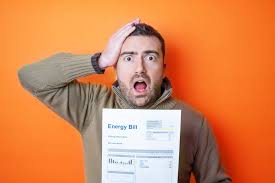
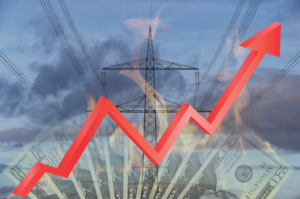
That means Maryland families and small businesses would shoulder the financial risk, while BGE’s shareholders reap the rewards. Recent filings from the Office of People’s Counsel already challenge BGE’s attempts to collect profits on transmission and generation projects before they are operational, highlighting that much of the cost increase driving higher bills comes from utility infrastructure spending.
Expanding utility-owned generation shifts financial risk onto customers while doing little to address today’s reliability or affordability challenges. More effective solutions already exist, including faster permitting, targeted grid upgrades, and maintaining innovation and competition.
But monopoly utilities like Exelon aren’t interested in those solutions. In fact, they’ve launched a multi-million-dollar ad campaign pushing to “change the rules” to allow them to increase corporate profits through utility generation.
Maryland policymakers should resist proposals that revive monopoly-era approaches and instead demand accountability for every dollar added to ratepayers’ bills. Reliable, affordable power is achievable, but only if decision-makers ensure that utilities earn returns through performance and efficiency, not guaranteed profits backed by customers.